
Safety Trainings & Audits
Empower your workforce with essential safety knowledge. Stay compliant and identify risks before they turn into hazards.
Trainings
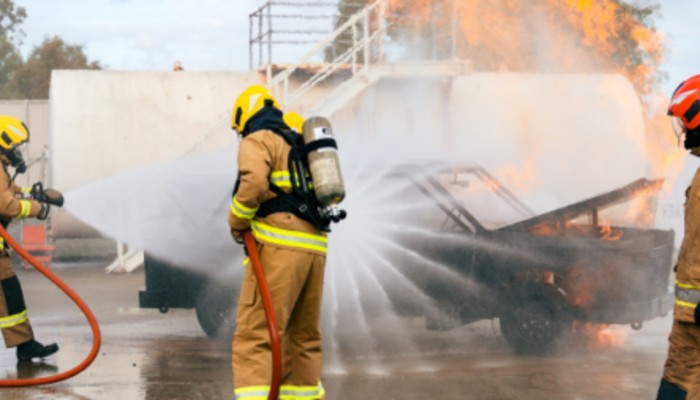
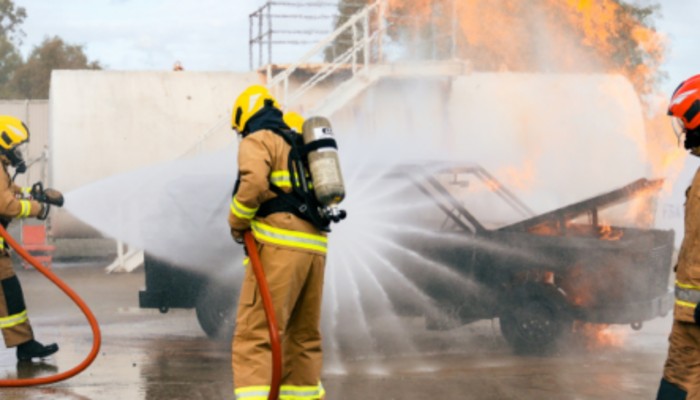
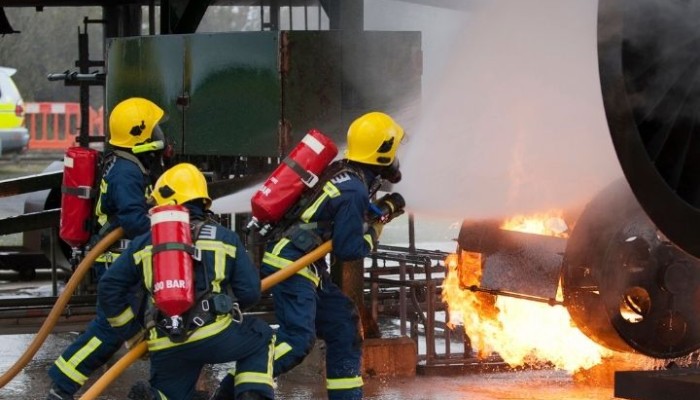
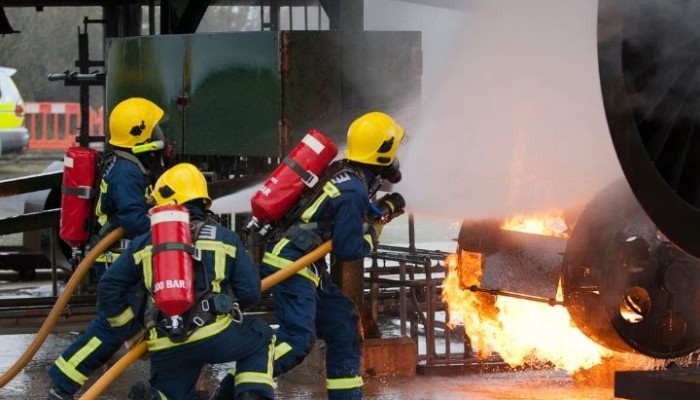
Fire Fighting Training
Risk Assessment and Fire Prevention methods
Fire Emergencies case studies and solutions
What is Fire? Chemistry of Fire
Methods of Fire fighting
Fire spreading and preventing
Types of different medias and fire extinguishers
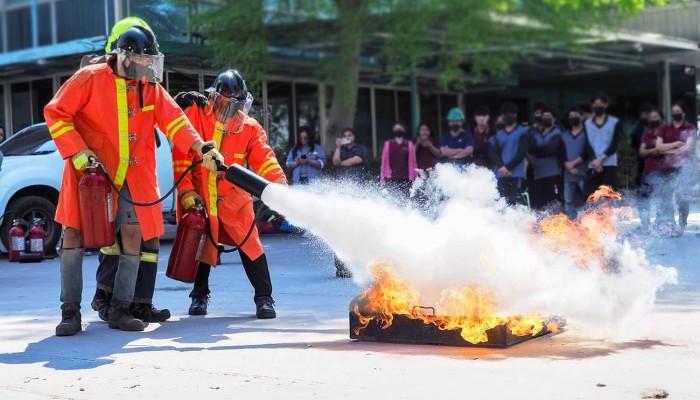
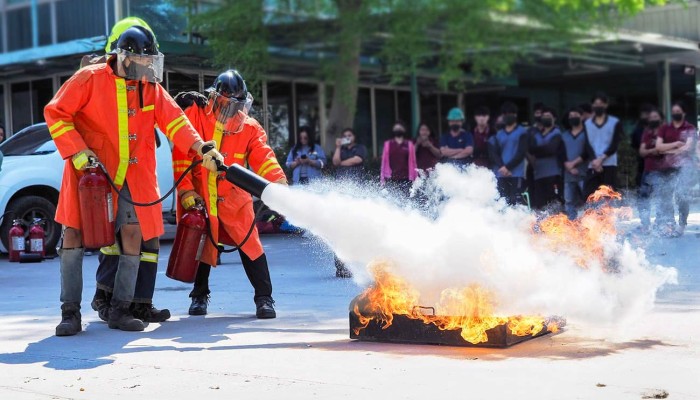
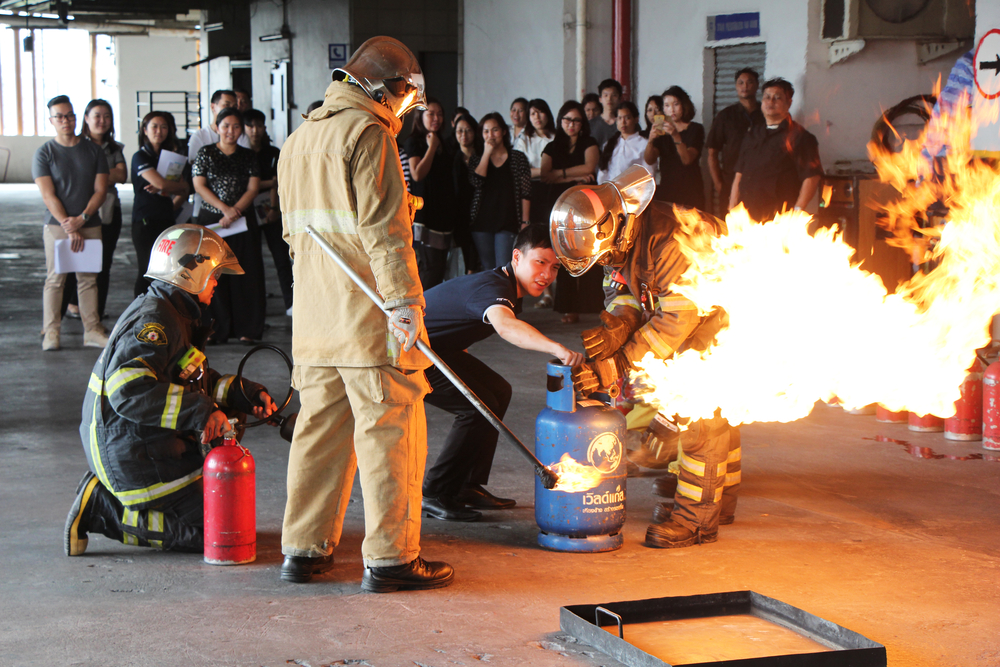
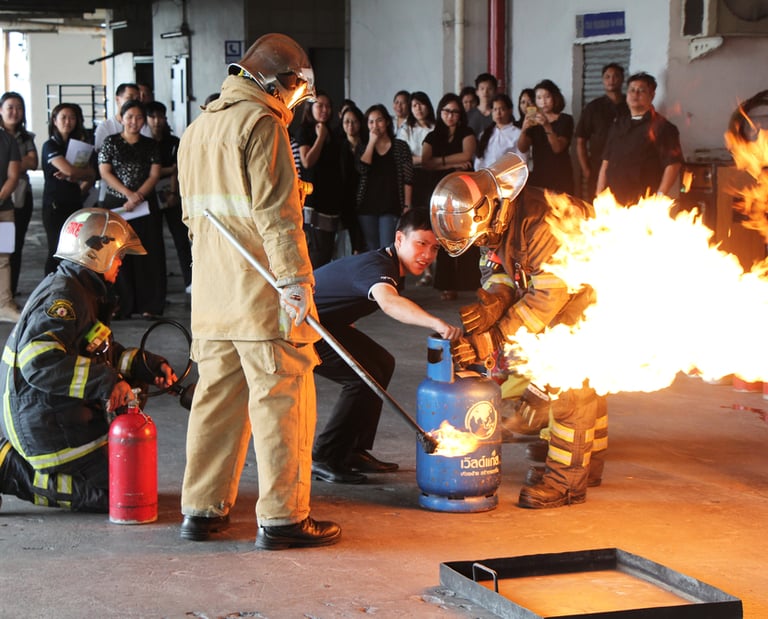
Operation of Fire Extinguishers in demonstration with live fires
Advanced Fire Safety
Introduction
Understanding Accident, Emergencies and Disaster
Emergency Preparedness Process
Case Studies
Theory of Fire Hazards in the work place
Theory of Fire Spread
Risk Assessment and Fire Prevention methods
Fire Response Team structure and their responsibilities
Communication and Co-ordination during Fire Fighting
Co-ordination with Fire Brigade
Method of Fire Fighting
Fire Fighting – Portable type
Fire Fighting – Fixed type (Fire Hydrant System, Sprinkler System, Smoke Detector & Fire Alarm System, FM 200 and other Fire Suppression System)
Management of ventilation to enclosed spaces
Details of Fire Hydrant Hoses and different types of Nozzles
Rescue Techniques
First Aid & CPR
Role and Responsibilities of a First Aid provider.
Understanding the available resources and make use of it
Identifying Medical Emergencies
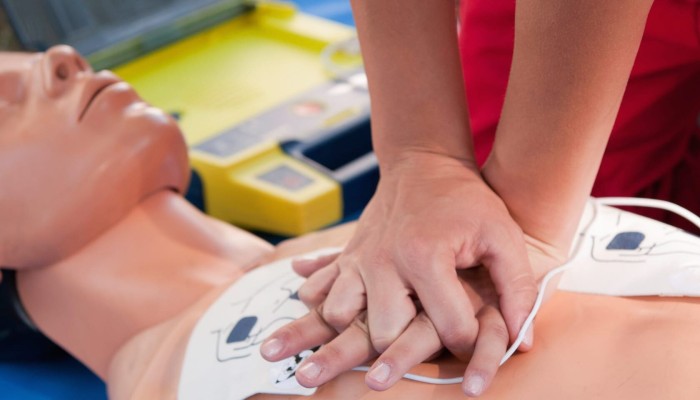
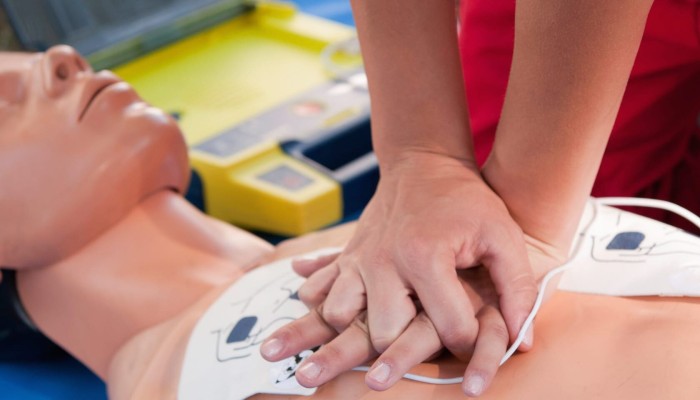
CPR (Artificial Respiration and Chest Compression using Mannequin)
Providing first aid for Electrocution, Shock and unconscious victim
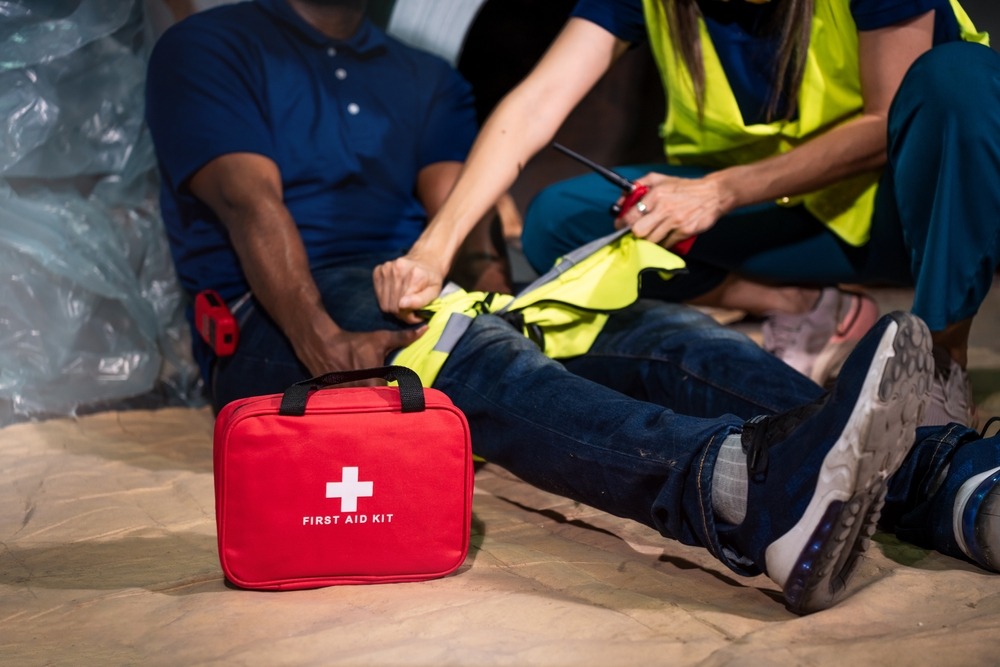
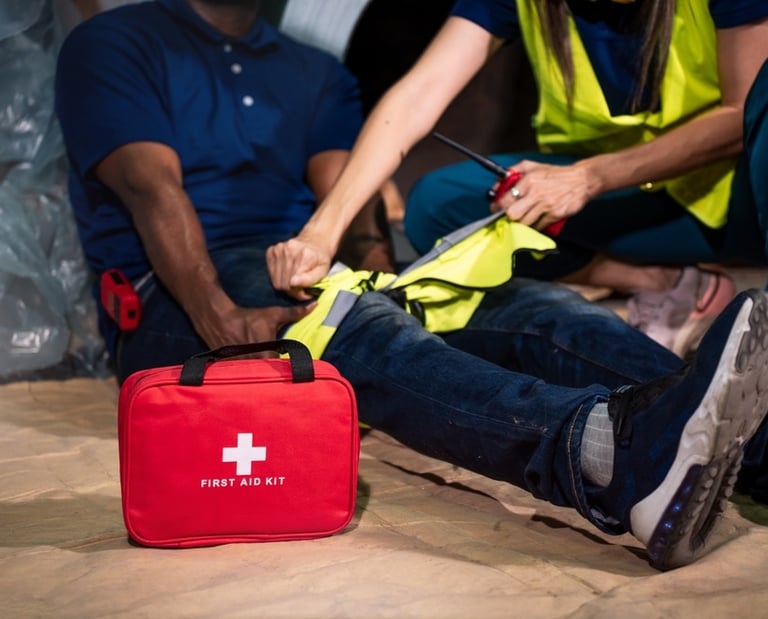
Providing first aid for Injuries, fractures, burns, etc.
Mobilization of injured person by rescue techniques.
Risk Assessment and Fire Prevention methods
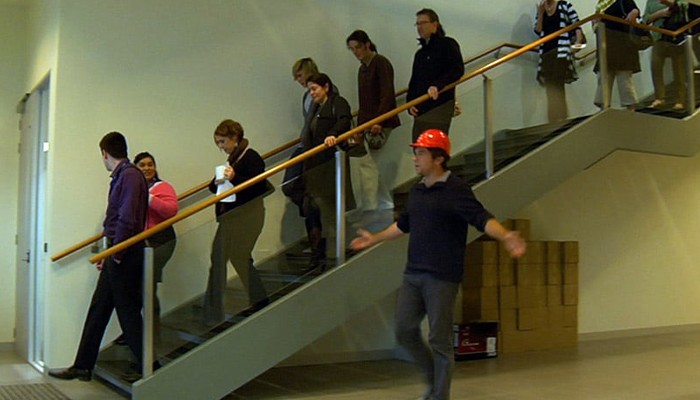
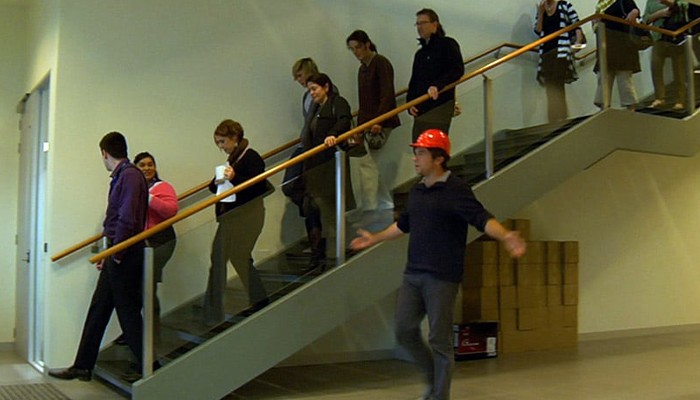
Evacuation Drill
Review and Updating of Onsite Emergency Plan
Review / Forming Emergency Response Team (ERT)
Identifying potential emergencies
Process of Emergency Preparedness and Response
Emergency Response Procedures for different emergencies
Preparatory meeting with ERT members, Table top Exercise - Emergency Evacuation Planning
Assessing ERT response at incident site
Evacuating the building occupants with Emergency Management equipment
Assembly and Head count process at Safe Assembly Point
Evacuation observations and recommendations
Preparing Evacuation Mock Drill report and certificate
Risk Assessment and Fire Prevention methods


Women Safety
Self Confidence
Understanding self strength
Situational Awareness
Risk Assessment and Fire Prevention methods
Emergency Numbers
Emergency Apps
Legal Aspects
Knowing the Facilities Available
Explaining Various different Situations
Understanding your Private space
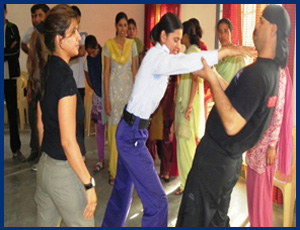
Understanding the anatomy and using it to our advantage
Paanch ka Punch
Travel Safety
ATM Safety
Role Plays


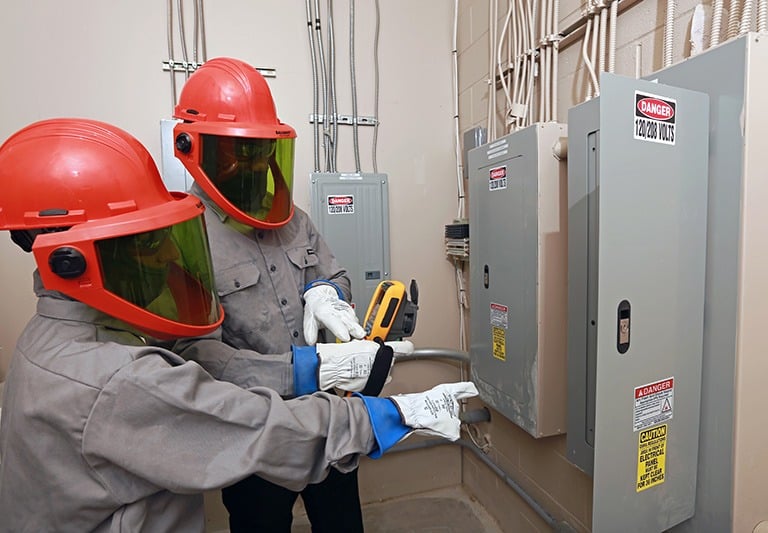
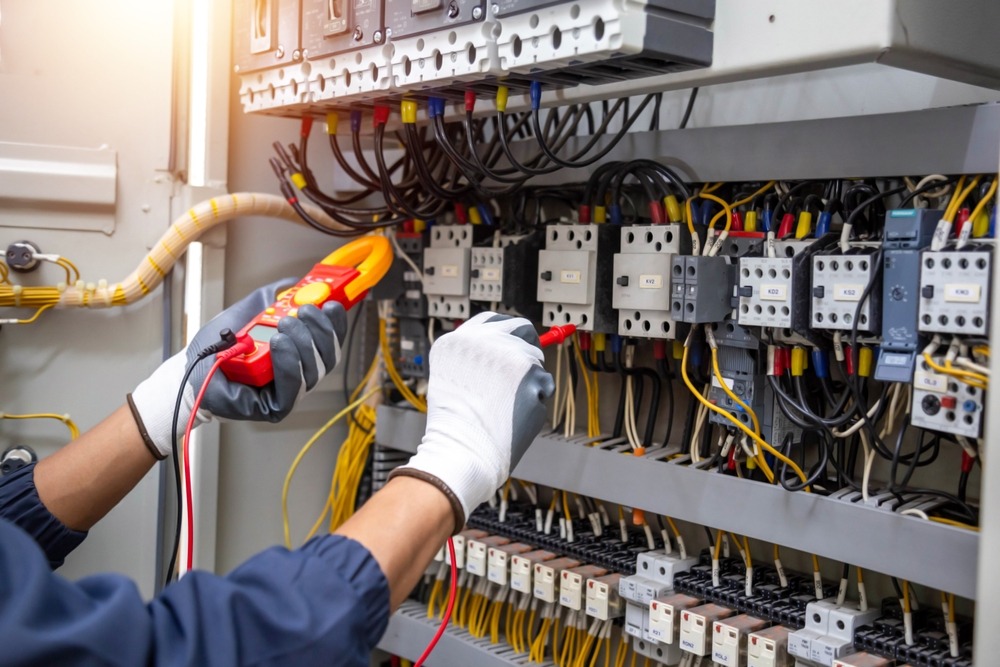
Electrical Safety
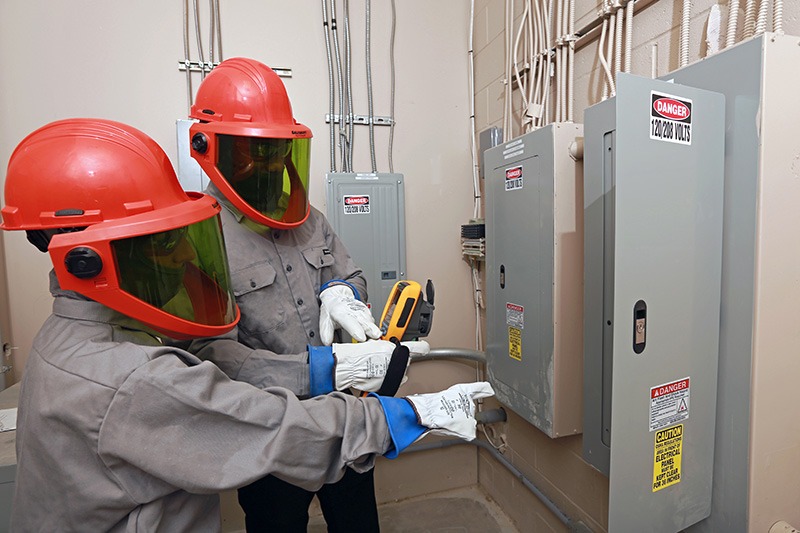
Electrical hazards in workplace
Arc flash – hazard categories, approach boundaries & PPE
Safe work practice for electrical work
Case studies on electrical accidents
Electrical work at height & confined space entry – hazards & related PPE
LOTO – Types, procedures & application in industries
Electrical shock / burns, First Aid
Risk Assessment and Fire Prevention methods
Chemical Safety Training
Introduction
Case Studies
Chemical Hazards
Chemical Properties
Understanding M.S.D.S
Safety In Handling, Storing & Transportation of Chemical
Chemical Emergency Preparedness – Splash, Spill, Leak.
Risk Assessment and Fire Prevention methods
Fire Prevention & Fighting
First Aid for Chemical Medical Emergencies
Hazards Waste Management & Disposal




Get More Information On Safety Trainings Programs
Audits
General safety Audit
It is recommended that a team be established to conduct safety audit. Each team should be comprised of at least three to five people representing a variety of departments.
To ensure neutrality and objectivity, it is suggested that team members should not audit their own department. Audits may also be conducted by qualified consultants. Audit Team members should review all existing safety program material in advance of the safety audit.
Safety Audits are conducted for the purpose of health, safety, and fire hazard identification. During these surveys, assessments are made for compliance to applicable regulations and fire codes as well as the detection of unsafe hazards.
Audits also provide an evaluation of workplace compliance to Occupational Safety and Health Administration (OSHA) standards relating workplace and worker safety.
Risk Assessment and Fire Prevention methods
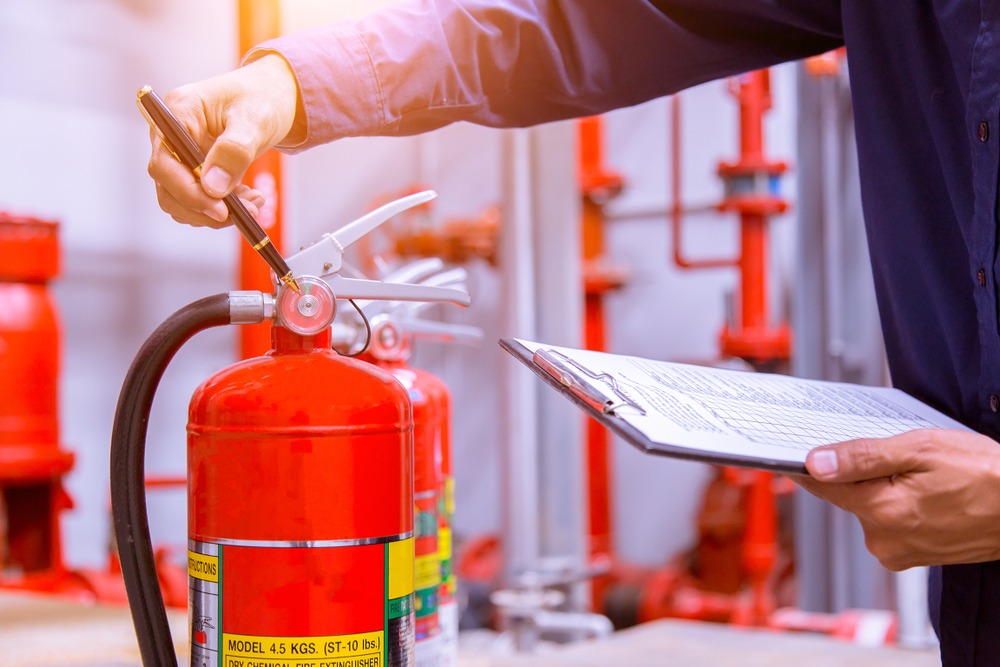
Fire Safety Audit
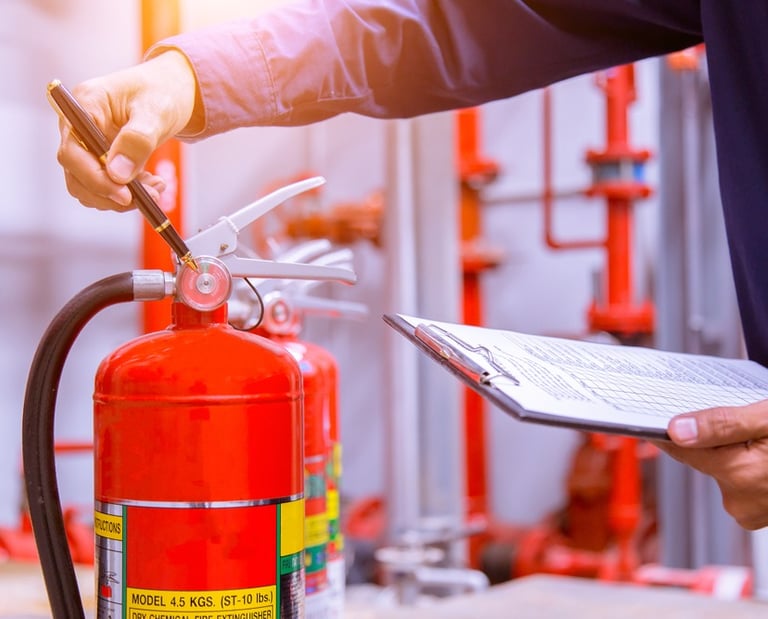
The fire safety audit is an examination of the buildings / structures and relevant documents to ascertain how the buildings are being managed regarding fire safety.
In other words it is aimed to assess the building for compliance with the National Building Code of India, relevant Indian Standards and the legislations passed by various state governments and local bodies, on fire prevention and life safety measures.
Safety Audit is a form of risk analysis and evaluation in which a systematic investigation is carried out in order to determine the extent to which the conditions are present that provide for the development and implementation of an effective and efficient safety policy.
The main objective of safety audit is to carry out a systematic, critical appraisal of all potential hazards involving personnel, plant services and operation method, and to ensure that safety and health system fully satisfy the legal requirements.
Depending on the requirements of the occupancy, the audit can focus attention on various aspects of a safety system such as fire and explosion prevention, protection and emergency management.
Risk Assessment and Fire Prevention methods.
Copyright © 2026 V Square Enterprises. All Rights Reserved.


Quick Lilnks
Follow Us
Contact Us





+91 9561237974
SR NO. 156/6A/7, 105, Wing B, Anandi Park, Bhelekar Wasti, Manjari Bk , Pune -412307